New bars can change how a bike feels more than almost any other part: more comfort, more control, a position that suits you. Tell us how you ride and we'll help you choose, then fit them on the spot.
Flat bars: straight and simple, common on hybrids and older mountain bikes. A slightly stretched, head-down position.
Riser bars: rise up from the stem with a gentle back sweep. Standard on modern mountain bikes; more upright and more confident downhill.
Swept-back comfort bars: curve back towards you for an upright, relaxed position with less weight on your hands and wrists. Lovely on town and commuting bikes.
Drop bars: road and gravel bikes, with several hand positions. They need drop-bar brake and gear levers, so changing from flat to drop bars (or back) is a bigger job.
Trekking or butterfly bars: lots of places to put your hands on long days and tours.
Getting the size right
Width: wider bars give more control and leverage (modern mountain bike bars are often 760 to 800 mm); narrower bars are easier through gaps and traffic. Bars can be cut down, but never made wider.
Drop bar width is usually chosen to roughly match your shoulders, often 38 to 46 cm.
Rise and sweep change where your hands sit. More rise lifts you up; more back sweep brings the grips closer and turns your wrists to a more natural angle.
Clamp diameter has to match your stem: 25.4 mm on many older and town bikes, 31.8 mm on most modern bikes, 35 mm on many newer mountain bikes.
The stem matters as much as the bar: a shorter or higher stem brings the bars closer and higher. We can look at both together.
Alloy, carbon or steel?
Aluminium alloy: strong, good value and found on most bikes.
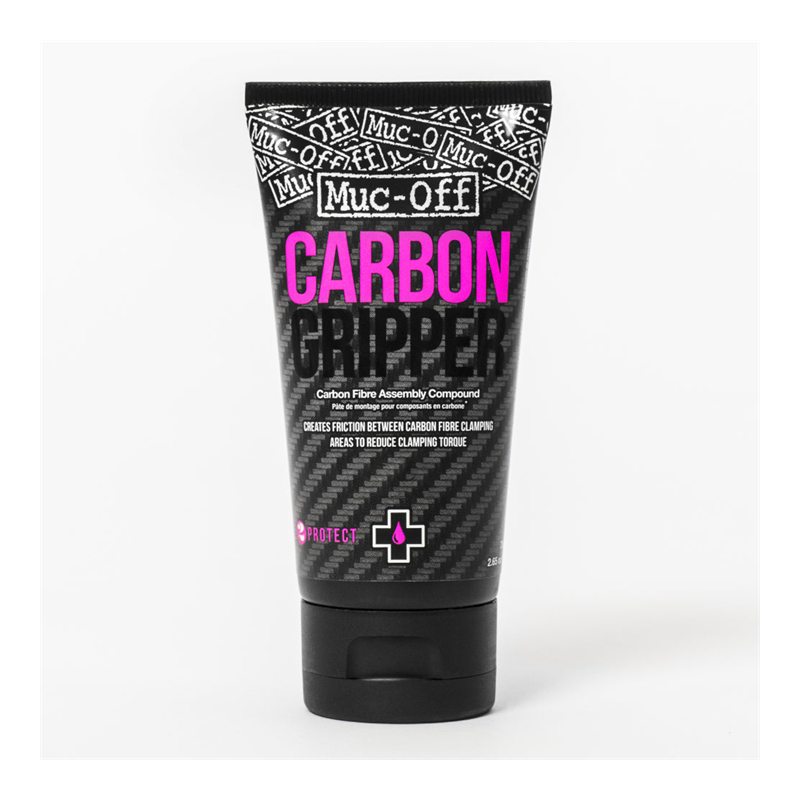
Carbon: lighter and takes the sting out of vibration, but must be fitted with carbon paste and a torque wrench.
Steel: classic and town bikes, with a lovely look and plenty of strength.
Time for new bars?
Aching hands, wrists, neck or shoulders, or feeling too stretched or too upright.
After a crash. Bars are safety-critical: replace any bar that has taken a hard knock, and always a carbon one.
Cracks, deep scratches near the stem or controls, or corrosion.